Drunken Noodles Near Me: From Mild to Extra Spicy, Where to Order
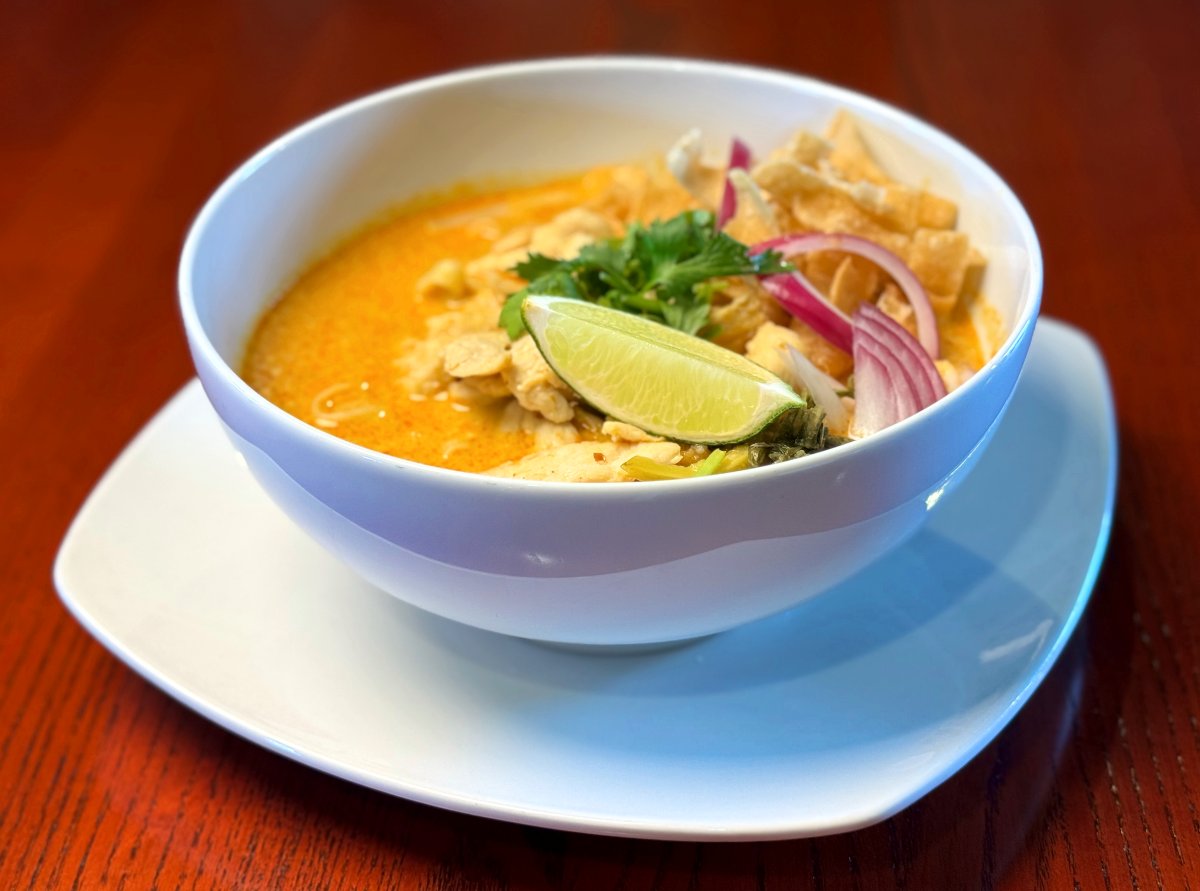
Few dishes expose the strengths and weaknesses of a Thai kitchen faster than drunken noodles. When they are good, they land with real force: wide rice noodles with chew, a glossy sauce that clings instead of pooling, basil that still tastes fresh, and a heat level that builds without flattening everything else on the plate. When they are bad, you notice it immediately. The noodles break, the vegetables turn limp, the sauce tastes sugary or muddy, and “extra spicy” means little more than a handful of raw chili flakes tossed on top.
That is why typing “Drunken Noodles Near Me” into a search bar is only the beginning. The better question is where to order from when you want a specific kind of plate, whether that means mild and savory, medium with a steady burn, or extra spicy with enough depth to justify the pain. A reliable Drunken Noodle spot does more than check a box on a delivery app. It understands texture, timing, wok heat, and balance.
What makes drunken noodles worth ordering at all
Drunken noodles, often listed as pad kee mao on Thai menus, work because they sit at the intersection of comfort food and high-heat cooking. The dish should feel loose and generous, not fussy. Wide noodles carry sauce beautifully, but only if they are handled with confidence. Too little heat and they steam into softness. Too much sauce and the dish turns heavy. Too many vegetables and it starts reading like stir-fried produce with noodles added as an afterthought.
The versions that stay in memory almost always get four things right. First, the noodles keep some spring and edge. Second, the sauce is assertive but not sticky-sweet. Third, the aromatic backbone comes through, usually garlic, basil, soy, and chili. Fourth, the protein, if you add one, tastes like it belongs in the pan rather than something cooked separately and dropped in at the end.
The name attracts attention, but the appeal is more practical than theatrical. This is one of those dishes that can satisfy on a weeknight, travel better than many noodle dishes, and scale up or down in spice without losing its identity, assuming the kitchen has discipline.
The first clue is the menu itself
When I am scanning local Thai menus, I learn a lot before I order a single bite. A kitchen that knows its noodles tends to describe the dish with some specificity. You may see mentions of wide rice noodles, Thai basil, fresh chili, bell pepper, onion, or a house sauce. A sparse description is not necessarily a bad sign, but menus that treat every noodle dish as interchangeable often produce interchangeable food.
You can also tell a lot by how the restaurant handles customization. If the app or website lets you choose a protein, adjust spice, remove vegetables, and add basil or chili, that usually suggests they make the dish often enough to understand common preferences. That said, too much flexibility can backfire. A Drunken Noodle stripped of onion, basil, and chili may still fill you up, but it stops tasting like itself.
One useful comparison is the pad see ew listing. If a restaurant offers both pad see ew and drunken noodles, the difference between those descriptions should be clear. Pad see ew tends to be darker, sweeter, and gentler. Drunken noodles should read bolder and more aromatic. When the menu descriptions blur together, the cooking often does too.
Mild, medium, hot, extra spicy, what those words usually mean in practice
Spice labels sound precise, but they vary wildly from one restaurant to the next. One kitchen’s “medium” is another’s “hot,” especially at family-run places that cook for customers who actively seek real chili heat. Delivery apps make this worse because they standardize the wording while kitchens interpret it differently.
Here is the broad reality most diners run into:
- Mild should still have flavor, even if the chili presence is minimal.
- Medium usually brings a noticeable tingle and some warmth on the lips.
- Hot tends to build over several bites and linger after you stop eating.
- Extra spicy should feel intentional, not reckless, with chili integrated into the dish.
- “Thai spicy” or house spicy, when offered, often means the kitchen is no longer translating heat for cautious eaters.
The problem is not high spice. The problem is lazy spice. A well-made hot Drunken Noodle tastes layered. You still notice basil, garlic, savory depth, and the sweetness of onion or bell pepper. A poorly made hot one tastes like punishment and little else.
If you are trying a new place, medium is often the smartest starting point unless you already know the restaurant’s hand with chilies. It gives you enough information to judge the kitchen without locking you into a meal that becomes a dare instead of dinner.
How to judge a restaurant before you order
Ratings matter, but not in the simplistic way people hope. A Thai restaurant with a 4.8 may still turn out weak drunken noodles if its strength is curry or lunch specials. A place with a 4.3 may produce terrific noodles but get dinged for slower delivery on weekend nights. Reviews help most when they mention specifics: chewy noodles, smoky wok flavor, generous basil, balanced heat, too salty, too sweet, arrived soggy, stayed hot, packed well.
Photos can be misleading, though they are still useful. Look for wide noodles with visible gloss rather than a matte, clumped appearance. You want some char or caramelization around the edges, not a pale tangle. Basil should be visible. The vegetables should look cooked but not collapsed. A lot of watery liquid at the bottom of the container is usually a bad sign.
I also pay attention to whether the restaurant offers a lunch portion and a full dinner portion. Kitchens that sell a lot of noodle dishes at lunch often have a faster hand with the wok. That does not guarantee excellence, but repetition helps. So does turnover. Rice noodles suffer when they sit around.
If you are using a delivery platform, the time estimate matters more than people admit. Drunken noodles are forgiving compared with fries, but they still have a window. Twenty to thirty-five minutes from pickup to door is usually fine. Past that, texture can slide, especially if the container vents poorly.
Protein choices that actually work
Chicken is the safest default and, at many places, the most consistent. It takes seasoning well and usually stays tender if the cook is paying attention. Beef can be excellent in drunken noodles, especially if the sauce has enough punch to stand up to it, but overcooked beef turns the whole dish chewy. Shrimp works when it is fresh and not overdone, though it can feel less integrated because it cooks so quickly. Tofu is underrated here. Crispy or well-seared tofu can absorb a beautifully spicy sauce and make the dish feel lighter without sacrificing substance.
Pork shows up less often, but when it does, it can be terrific, especially with a slightly sweeter or darker sauce profile. Seafood combinations are hit or miss. They look generous on a menu, yet too many ingredients in one wok can create uneven cooking. The noodles need space.
If you have never ordered from a place before, chicken or tofu gives you the clearest read on the kitchen. Those two options leave less room for ingredient issues to hide behind richness.
Why basil matters more than people think
A surprising number of mediocre drunken noodle plates fail not because of the noodles or the sauce, but because the basil is treated as decorative. In a strong version, basil is not a garnish. It is part of the architecture of flavor. It brightens the savory depth, cools the edges of the chili, and keeps the dish from feeling monotonous by the halfway point.
Thai basil has a slight anise note that regular Italian basil does not fully replicate. Some restaurants use what they have, and if the cooking is otherwise skilled, the dish can still be satisfying. But when a place uses enough proper basil and tosses it in at the right stage, you notice the difference. The aroma rises as soon as you open the container.
That scent tells you something else too. It suggests the dish was finished with intention rather than assembled mechanically. With Drunken Noodle, those small signs add up.
Delivery versus takeout, and why packaging changes the result
This is one dish that can survive delivery fairly well, but there are limits. Nakhon Luang Thai Kitchen Drunken Noodles Near Me Wide rice noodles continue to steam after packing, and steam is both friend and enemy. Too little and the dish dries out. Too much and the noodles lose their structure. Good packaging allows just enough venting to keep the noodles moist without trapping every bit of condensation.
Takeout that you pick up yourself usually gives a better result than third-party delivery, simply because it shortens the time between wok and fork. If you live close to a strong Thai restaurant, pickup is often worth the extra effort, especially if you order extra spicy. The brighter and hotter the dish is when it leaves the kitchen, the more vividly it eats at home.
There is also the matter of reheating. Drunken noodles are not at their peak the next day, but they are still salvageable if you reheat gently in a skillet rather than nuking them into rubber. A splash of water helps loosen the sauce. Fresh basil added at the end can revive a tired plate more than most people expect.
What to ask for when customizing
Most people think of customization only in terms of spice level, but the better move is to adjust with restraint. One or two smart changes can improve your order. Five changes usually create a different dish, and not a better one.
If a restaurant tends to run sweet, asking for less sweet or for extra basil can sharpen the profile. If portions are generous but light on protein, adding extra chicken or tofu makes sense. If you know the kitchen cooks vegetables too soft, you can ask for them on the firmer side, though busy restaurants may not always honor that during rush.
The most useful special request is often the simplest: “extra basil, medium-hot.” That tells the kitchen you care about flavor, not just capsaicin. Another worthwhile note is asking for chili on the side when you are trying a place for the first time. That preserves your ability to adjust without gambling the whole meal.
Signs you found a place worth reordering from
A good first order gives you more than immediate satisfaction. It tells you the restaurant can repeat the performance. Reliability matters because noodle dishes depend on consistency under pressure. Friday night service reveals more than a polished dine-in lunch ever will.
The places worth keeping in your rotation tend to show the same strengths each time. The noodles arrive intact. The spice level matches the request. The basil is not an afterthought. The sauce tastes like the same recipe, not a different guess with every shift. Portions feel fair for the price, even if they are not oversized.
I also watch how the dish tastes after ten minutes on the table. Great Drunken Noodle softens slightly but still holds together. Weak versions collapse quickly, with oil separating from sauce and vegetables dumping water into the bottom of the container.
When mild is the right order
There is a reflex among spice enthusiasts to assume mild is a compromise. Sometimes it is. Sometimes it is the smartest way to taste a restaurant. Mild Drunken Noodle can reveal whether the kitchen actually built flavor into the sauce or simply relies on chili heat to create excitement.
At mild heat, everything else becomes more legible. You can taste whether garlic was cooked to sweetness or left harsh. You notice whether the sauce leans savory, salty, or sugary. You can tell if the basil contributes anything or if the dish is simply soy-heavy noodles with chopped vegetables.
Mild also suits diners who are pairing the dish with other food, perhaps spring rolls, satay, or a curry. If the meal includes multiple items, you may not want your noodles to dominate the entire experience. A restrained order can be more balanced than an all-out spice assault.
When extra spicy is worth it
Extra spicy makes sense when you know the restaurant can handle it, or when you know your own tolerance well enough to recover from a misfire. At its best, extra spicy Drunken Noodle is not just hotter. It is more alive. The chili cuts through the oil, lifts the basil, and makes the noodles feel almost lighter despite their richness.
The best kitchens incorporate the heat into the stir-fry itself. You should taste cooked chili, not only raw flakes or sliced peppers thrown on top at the end. That integration matters because the flavor changes with heat exposure. It becomes rounder, more fragrant, less blunt.
There is a practical side too. If you are ordering for delivery and expect a little softening in transit, a more assertive spice level can help the dish arrive with presence. Heat and aroma both fade as food travels. Starting bolder can compensate, within reason.
Common disappointments and what they usually signal
Three common flaws come up again and again with local orders. The first is excess sweetness. That often points to a kitchen calibrating for the broadest possible audience or leaning too hard on bottled sauce. The second is limp noodles. That can mean low wok heat, over-saucing, or a dish that sat too long before pickup. The third is heat without flavor, which usually means the chili was added carelessly instead of cooked into the dish.
When you get one weak order, context matters. A slammed Saturday night can produce mistakes even at good restaurants. But repeat the experience twice and you are seeing the kitchen’s real baseline. At that point, it is better to switch spots than keep hoping for a different result.
Price can mislead too. The most expensive Drunken Noodle in your delivery radius is not automatically the best one. Sometimes you are paying for branding, packaging, or location. Sometimes a modest neighborhood place with older furniture and shorter menu descriptions turns out to be the one with the strongest wok cooking.
A practical way to find your go-to spot
If you are serious about finding the best “Drunken Noodles Near Me,” treat it like a short tasting project rather than a single random order. Compare two or three places over a couple of weeks. Keep the variables steady. Order the same protein, roughly the same spice level, and similar delivery conditions.
This simple approach works:
- Start with medium spice at two different restaurants.
- Order the same protein both times, ideally chicken or tofu.
- Note texture, basil aroma, sauce balance, and how much liquid collects in the container.
- Reorder from the better one, then test hot or extra spicy.
- Only after that should you experiment with add-ons or substitutions.
That process sounds fussy, but it saves money and disappointment. One careful comparison tells you more than a dozen random cravings ever will.
Pairings that make sense without overshadowing the noodles
Drunken noodles can stand alone, but they also pair well if you order thoughtfully. Crisp appetizers create contrast, especially if the noodle dish is rich and saucy. Fresh rolls can work, though they are often too delicate next to a bold noodle plate. Chicken satay is a steadier companion. A papaya salad can be excellent if you enjoy strong acid and chili, but now you are stacking heat on heat, which is either a pleasure or a mistake depending on your threshold.
For drinks, cold beer remains the most classic match for obvious reasons, but sparkling water with lime does more than many people think. It clears the palate without adding sweetness. Iced tea can work if it is not overly sugary. Sweet drinks tend to dull the edges of a good Drunken Noodle, especially one ordered extra spicy.
The best order is the one that matches the kitchen
Every good Thai restaurant has a personality, even if it is subtle. One place will produce darker, more savory noodles with serious wok char. Another will lean brighter, basil-forward, and slightly wetter. Another may deliver cleaner heat with lighter sauce. None of those styles is automatically correct. The point is to notice what the kitchen does well and order accordingly.
If a restaurant makes balanced, fragrant mild and medium dishes, trust that strength. If another place shines at bold, spicy stir-fries that make your nose run in the best way, that may be your extra spicy destination. Not every kitchen needs to be everything to everyone. You just need to know which one to call when the craving hits.
That is the real answer behind “Drunken Noodles Near Me.” You are not just locating the nearest option. You are identifying the place that handles noodles with respect, cooks chilies with judgment, and sends out a dish that still tastes alive by the time it reaches your table. Once you find that spot, the search changes. It becomes less about distance and more about confidence, knowing that whether you order mild after a long day or extra spicy when you want real heat, dinner will show up exactly the way it should.
Nakhon Luang Thai Kitchen
Address: 805 Village Center Dr, Colorado Springs, CO 80919
Phone number: +17195315175
FAQ About Drunken Noodles Near Me
What makes it drunken noodles?
Drunken noodles, or Pad Kee Mao, get their name from the Thai word khi mao (meaning "drunkard"). They contain no alcohol. The name comes from the idea that the dish is a popular late-night meal to cure a hangover or a great food to eat with a cold beer.
What is the difference between pad see ew and drunken noodles?
While both Pad See Ew and Drunken Noodles use the same wide rice noodles, Pad See Ew is a mild, sweet-savory dish made with dark soy sauce and Chinese broccoli, whereas Drunken Noodles (Pad Kee Mao) are fiery, garlicky, and herbaceous with fresh chilies and Thai basil.
What are traditional drunken noodles?
Traditional drunken noodles, known as Pad Kee Mao in Thai, are a fiery, savory street food stir-fry made with wide flat rice noodles, fresh garlic, lots of hot chilies, meat or tofu, and fragrant holy basil. Despite the name, they contain no alcohol; the dish is traditionally eaten late at night or as a hangover cure because the intense spice helps clear the head.